1840s–1980s
Garden suburbs and the city's early neighbours
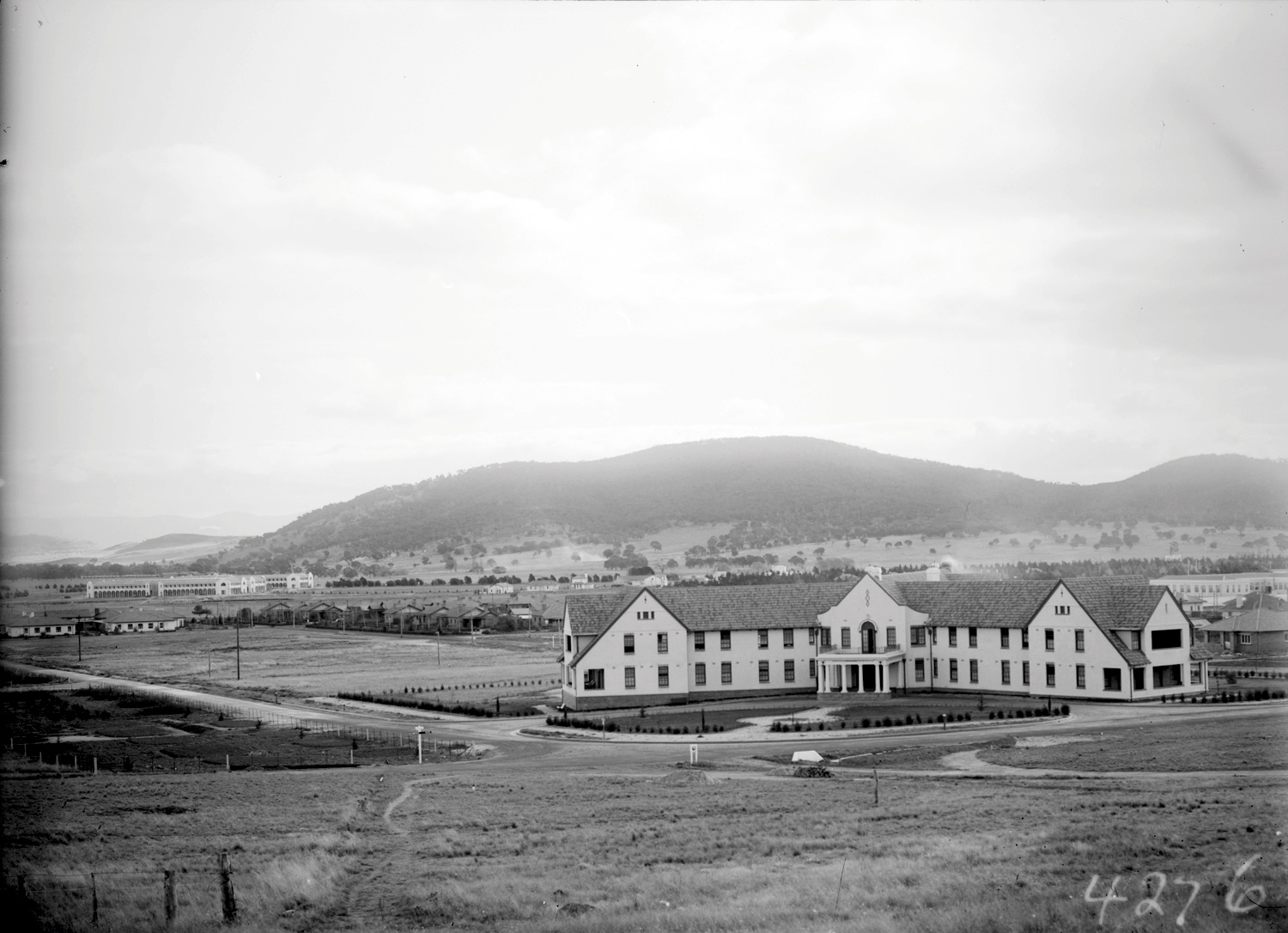
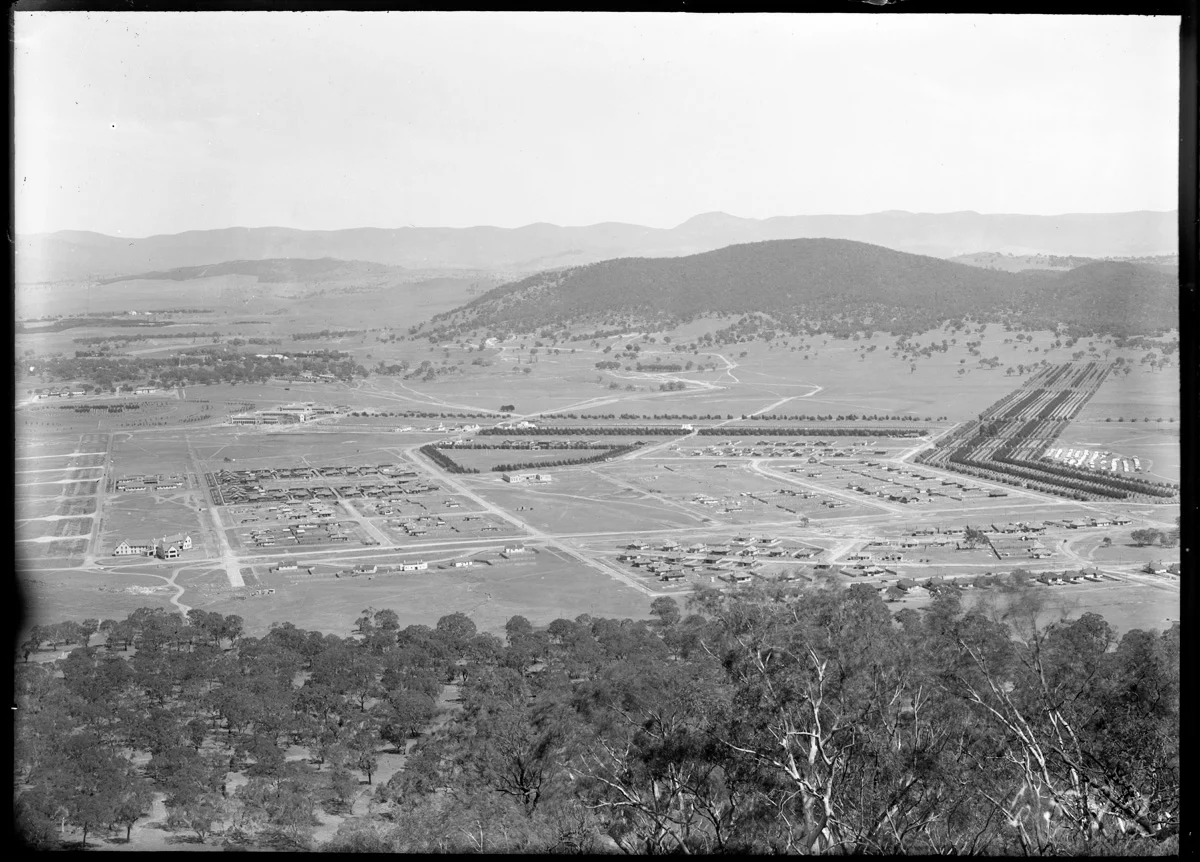
The familiar name Inner North brings together neighbourhoods that show how Canberra became a place to live. Reid's heritage precinct is one useful starting point: most of its early houses were built in 1926–27 to accommodate public servants before the provisional Parliament House opened. Detached homes and generous gardens expressed the city's garden-suburb ambitions.1
Community life grew alongside the houses. Reid's tennis courts and pavilion provided a social meeting point, while a mothercraft centre, built in 1944 and opened in 1945, developed through local interest and effort. These smaller places bring the story down from national plans to the everyday needs of residents.1
Across Braddon and Turner, Haig Park began with a practical purpose. More than 7,000 trees were planted in 1921 to shelter nearby development from wind and dust. What became a public park in 1987 retains that striking pattern of rows, a visible reminder that Canberra's landscape was deliberately made as well as built.2
St John's Church and Schoolhouse in Reid reach back beyond the capital. The Campbell family supported the church and the district's first school during the 1840s. Their surviving buildings and graveyard preserve a rural chapter within today's urban streets, connecting early farming families with the later planned city.3